Clarify the app development problem before the fix.
An app should not feel like a feature list. It should feel intuitive, fast, and worth returning to.
Product strategy and feature planningUser experience and interface design
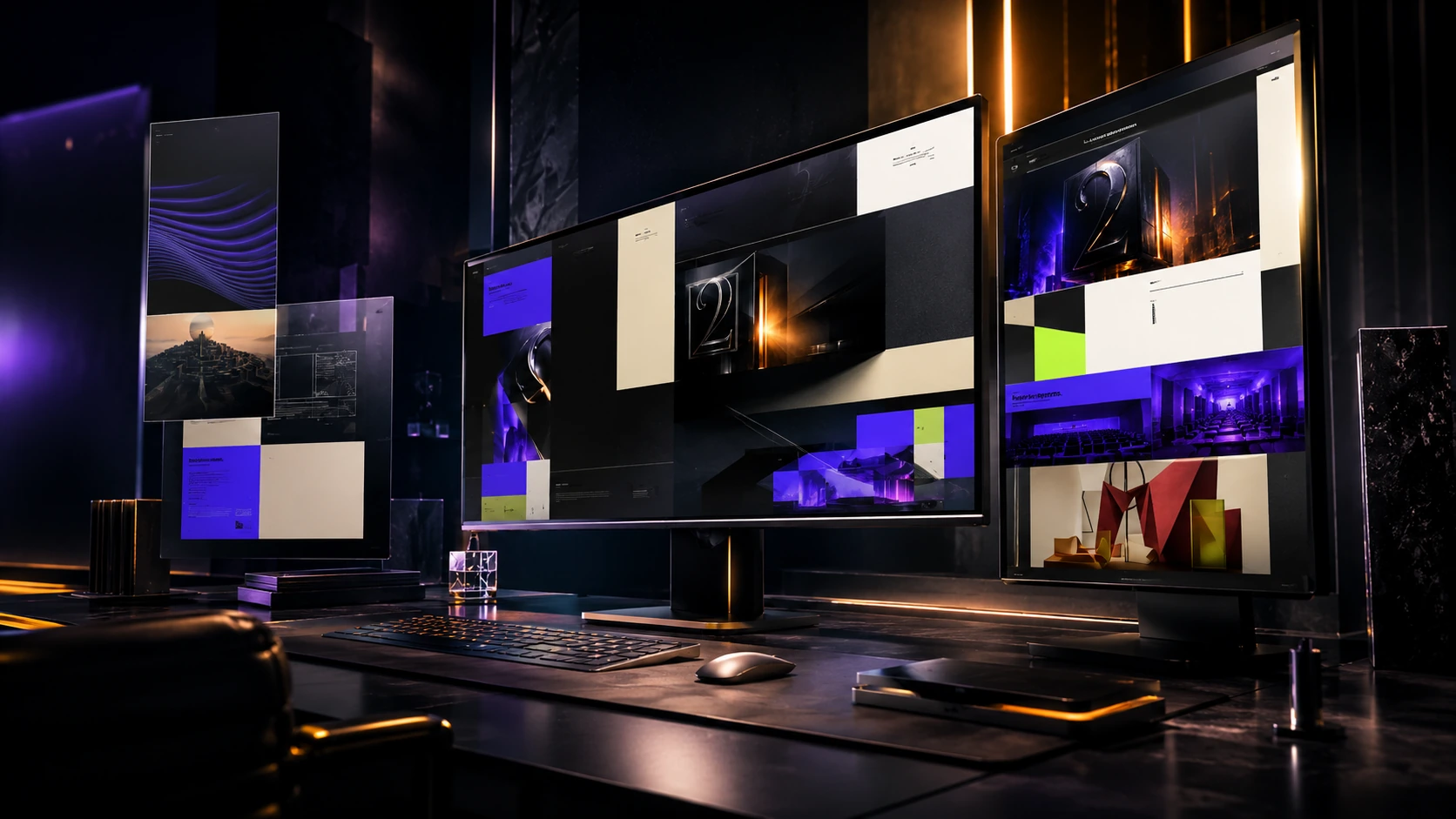
Product strategy, UX, and engineering
2BlockMedia builds apps for Sacramento and Rocklin businesses: custom mobile apps, web apps, and product systems designed to simplify complex ideas, improve customer experience, and create scalable digital products.

Product strategy, UX, and engineering
App DevelopmentAn app should not feel like a feature list. It should feel intuitive, fast, and worth returning to.
We connect app development and software product design to the pages, messages, proof, tracking, and follow up required to move the customer forward.
The final system is built to produce useful signals. We review performance, customer behavior, lead quality, and operational feedback instead of optimizing around surface level activity.
Product release intelligence
This system map connects user needs, product requirements, interface decisions, development, integrations, testing, and improvement after launch.
Build the measurement system↗What ships in a build with us
The scope is shaped around the business, but these are the core components most often required to do the work well.
Define the user problem, product value, release priorities, operating constraints, dependencies, and signals the team needs to evaluate after launch.
Map user flows, navigation, screens, system states, content, interaction patterns, and accessibility requirements into one understandable product experience.
Turn the approved product plan and interface system into a working application with responsive behavior, account experiences, documented decisions, and release preparation.
Plan and connect approved business systems, data sources, customer platforms, payments, and third-party services according to provider capabilities and project scope.
Define meaningful product events, test critical flows, validate responsive behavior, review integrations, and prepare the application and supporting systems for release.
Use product behavior, user feedback, technical observations, and business priorities to maintain a sequenced roadmap instead of adding features without evidence.
Founder oversight

Application case study
2BlockMedia built Billt from the ground up as a connected application and public marketing experience. The engagement joined product planning, UI and UX design, application development, responsive implementation, account and onboarding flows, configuration, analytics, and launch support.
The application and public website were designed as one system so the path from discovering the product to creating an account and using it would share the same product story and interface direction.
Additional product evidence
Reef Writer demonstrates the AI-product side of the work, where the application workflow, public website, account experience, brand presentation, and search foundation were developed together.
How we run app development
Every stage reduces a different kind of uncertainty before more time and development effort are committed.
We begin with the problem the application should solve, the people who will use it, the business workflow behind it, the existing alternatives, and the decision the first release needs to help the team make.
We prioritize the essential user journey, supporting features, content, integrations, account requirements, technical dependencies, and measurement needs without treating every possible idea as a launch requirement.
User flows, screens, system states, interface patterns, data relationships, integrations, permissions, and release requirements are organized before development moves too far ahead of product decisions.
The approved experience is implemented and connected to the required systems. Critical paths, responsive behavior, accounts, integrations, analytics, errors, and release conditions are reviewed throughout the build.
The product launches with defined measurement and a documented roadmap. Product behavior, user feedback, technical observations, and business priorities guide what should be refined or developed next.
App development from Rocklin
Product and application resources
Practical guidance for connecting product experience, automation, measurement, customer journeys, and ongoing improvement.
App Development, answered
Useful answers are part of a strong sales experience.
Custom app development can include product strategy, requirements, feature prioritization, user flows, UI and UX design, mobile or web application development, accounts, integrations, analytics, quality assurance, release planning, supporting website work, and ongoing product improvement. The exact scope depends on the product and its users.
2BlockMedia can build customer-facing mobile apps, web apps, portals, internal tools, account-based platforms, and other custom digital products. The recommended format depends on how the product will be used, the required device experience, existing systems, and the business workflow behind it.
Yes. Product discovery can define the core problem, primary users, essential journey, release priorities, technical dependencies, and measurement needs before a larger build begins. An MVP creates a focused opportunity to learn; it does not guarantee adoption, revenue, or product-market fit.
Yes, when the required platforms provide appropriate integration methods. The planning process can cover CRMs, booking systems, ecommerce platforms, payments, analytics, communication tools, databases, and other approved services. Integration scope depends on provider capabilities, access, documentation, security requirements, and the information being exchanged.
Yes, when AI supports a defined product or workflow need. AI functionality can involve generation, classification, routing, summarization, approved knowledge, or connected automation. The design should also define permissions, boundaries, review points, fallback behavior, and human involvement appropriate to the use case.
The client owns the approved project deliverables and client-specific accounts established for the engagement, subject to the final agreement and any third-party platform or software-license terms. Repositories, platform accounts, access, and handoff responsibilities are documented as part of the project.
Cost and timing depend on product scope, platforms, interface complexity, accounts, integrations, data requirements, content readiness, testing, release requirements, and the level of discovery already completed. After discovery, 2BlockMedia defines the proposed scope, dependencies, review points, investment, and delivery sequence without promising a universal price or timeframe.
Yes. 2BlockMedia is based in Rocklin and works with organizations throughout Placer County, Sacramento County, surrounding communities, and nationwide. Product planning, design, development, review, and release coordination can support local or distributed teams.
Capabilities that pair with App Development
Each service connects to the larger customer journey. Explore the capabilities most likely to strengthen this system.
App Development by city
City-specific app development pages for the markets we serve across Sacramento, Placer, and El Dorado counties.
Related proof
BoothBright includes a proprietary 3D canopy builder with product choices, logo upload and placement, every-angle views, live estimates, and saved or downloadable previews.